The world is changing rapidly – and so is logistics.
Digitalization, the growth of e-commerce, and rising sustainability demands are reshaping our industry. At Cowin, we see automation, reusable load carriers, and data-driven decision-making as key to building the supply chains of the future. It’s not just about cost savings, but about creating resilient, climate-smart operations.
As 2025 unfolds, it’s the perfect time to take a closer look at the trends expected to reshape logistics and supply chains over the coming months. Understanding what technologies, strategies, and priorities competitors are focusing on is the best way to stay ahead and adapt quickly to new realities.
We’ve rounded up the top logistics trends for 2025 to help you prepare for the year ahead.
Artificial Intelligence
AI is no longer a “future tool” – it’s a core part of logistics today. From route optimization and demand planning to predictive warehouse picking, AI drives efficiency across the supply chain. Robotics and intelligent systems continue to expand, benefitting shippers, carriers, and end customers alike.
Digital Twins
Digital twins are moving from pilot projects into mainstream logistics operations in 2025. By creating virtual models of warehouses, hubs, or entire supply chains, companies can simulate scenarios, predict weak points, and test process improvements before implementing them. This reduces risk, saves costs, and boosts resilience.
Sustainability
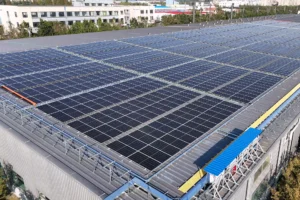
Sustainability has shifted from being a “hot topic” to a non-negotiable business priority. Cowin’s latest Sustainability Report highlights our roadmap to 100% renewable electricity, circular product design, and measurable reductions in CO₂ emissions. In 2025, transparency is no longer optional – companies are expected to demonstrate how they are actively cutting waste, reducing energy use, and ensuring ethical supply chains.
Customers, regulators, and partners demand clarity and action. Those who can prove progress with real data will earn long-term trust and competitive advantage.
Response Times
Consumer expectations around speed and convenience continue to rise. With same-day and even two-hour delivery becoming standard in some markets, logistics providers must balance speed with sustainability. This requires optimized packing processes, efficient last-mile solutions, and smarter communication across the supply chain.
Planning and Risk Management
Geopolitical shifts, global disruptions, and changing trade rules keep risk management at the top of the agenda in 2025. Effective scenario planning, diversified sourcing, and flexible transport solutions are essential to avoid bottlenecks and secure supply chain continuity.
Efficient Warehousing
Smart warehouses are no longer optional. Modern warehouse management systems forecast demand, provide real-time updates, and predict issues before they occur. Robotics are becoming commonplace – automating tasks such as unloading trucks, moving pallets, and picking goods with speed and precision.
Final Thoughts
The logistics industry in 2025 is defined by technology, resilience, and sustainability. Companies that embrace AI, digital twins, and robotics while demonstrating real climate action will lead the way. At Cowin, we see this as an opportunity to combine efficiency with responsibility – helping our partners succeed in a fast-changing world.