In today’s global market, sustainability is no longer just a checkbox in an RFP – it is a core value that defines successful partnerships. At Cowin Global, we are seeing a clear trend: our multinational clients are setting higher standards for their supply chains. They aren’t just looking for equipment; they are looking for transparency, ethical auditing, and measurable carbon reduction.
Today’s procurement landscape is evolving fast. We see that Requests for Proposals (RFPs) and tendering requirements are becoming significantly longer and more demanding. Clients now require deep transparency into their supply chain, often with requirements and strong policies for:
EcoVadis Assessments: A global standard for business sustainability ratings.
SMETA Audits: An audit methodology ensuring high standards in labour, health and safety, and business ethics.
Product LCA: Life Cycle Assessments that calculate the total environmental impact of a product from “cradle to grave”.
Science-Based Targets: A commitment to a decarbonisation plan aligned with the latest climate science to limit global warming.
We are proud to be proactive in the above areas. While we are currently in the process of applying for SBTi (Science Based Targets initiative) and focusing our GHG accounting on Scope 1 and 2 emissions, our efforts are already being recognised as industry-leading.
Case Study
Greggs chooses Cowin for CSR Values
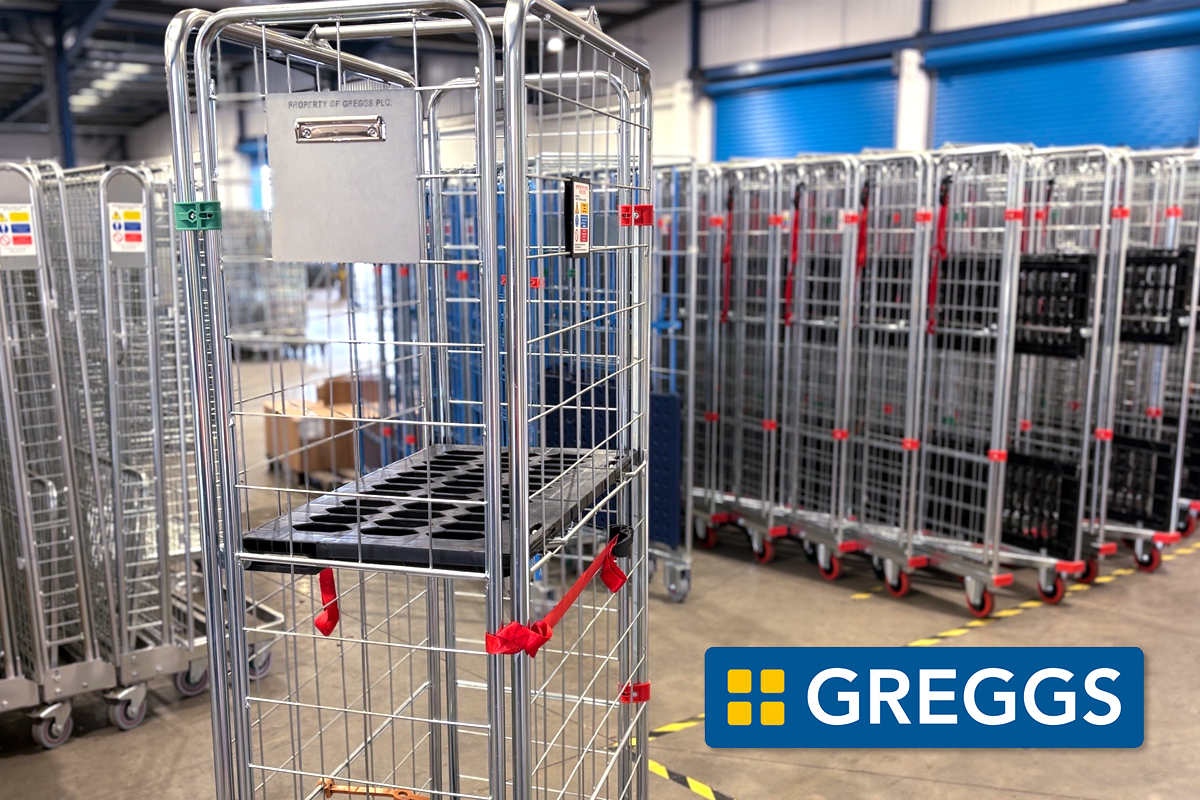
In the UK, the leading food-on-the-go retailer, Greggs, recently awarded Cowin the supply of roll cages and shop replenishment trolleys. While value is always key, our alignment with the “Greggs Pledge” was certainly a deciding factor.
“I am pleased to inform you that we are awarding the supply of roll cages and shop replenishment trolleys to Cowin. This is based on the commitment to maintaining good value, and also for your commitment to CSR and your values which align closely to the Greggs Pledge.” – Purchasing Manager, Greggs.
Operational Excellence in Repairs
Another example is a leading third-party logistics (3PL) provider that transitioned its repair operations to us. By selecting our strategically located facilities, they significantly reduced transport distances and lowered their overall carbon footprint.
Furthermore, our specialised repair processes have reduced the proportion of equipment deemed “beyond repair” to just 7%. This minimises material waste and generates meaningful cost savings, especially during high-demand peak periods.
Sustainability isn’t just about reporting; it’s about delivering measurable improvements for both our clients and the environment.